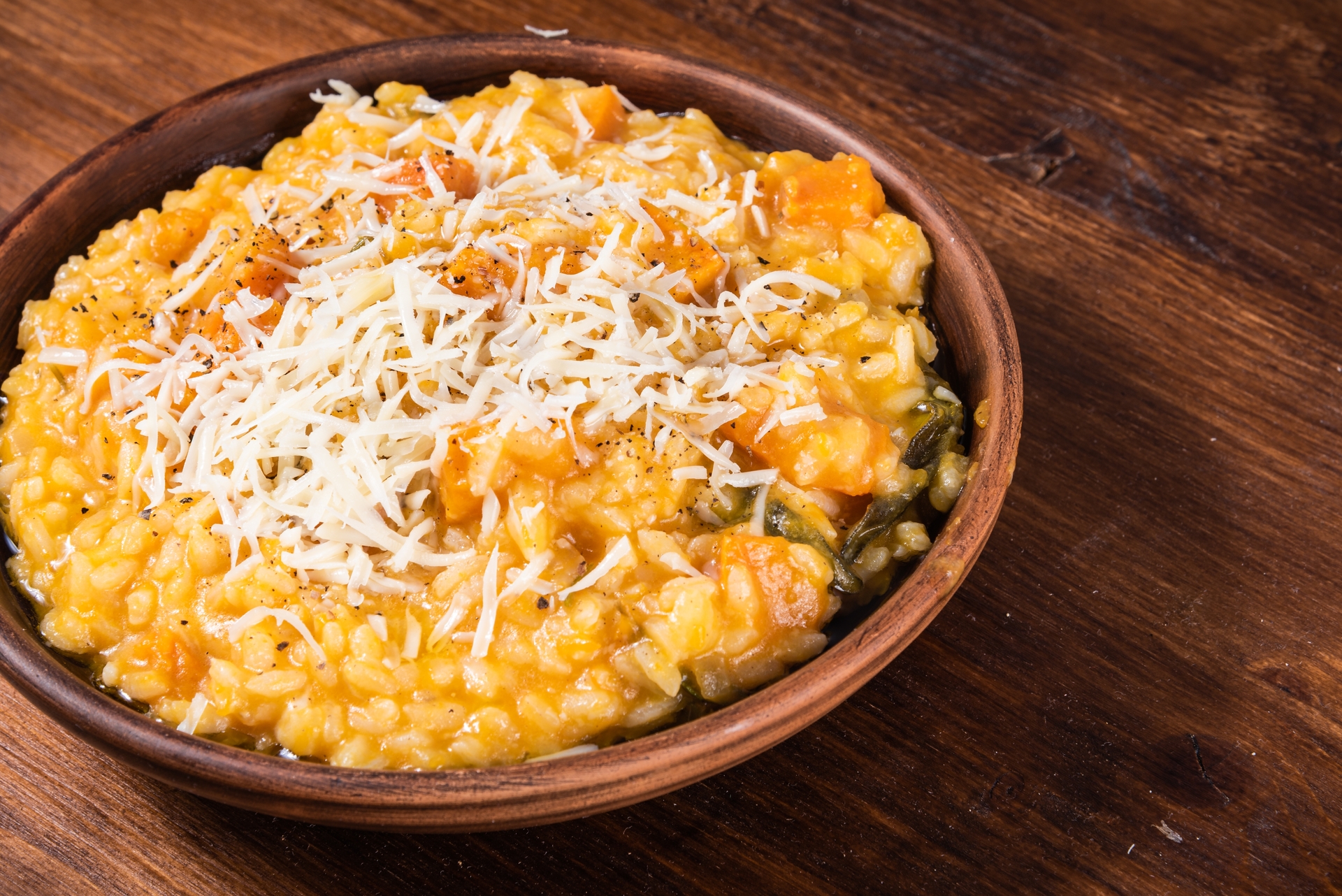
Parmigiano Reggiano embodies centuries of tradition and gastronomic culture. Its magic lies in time and patience. As the months of maturation go by, its colour, texture and aroma evolve — transforming it from a fresh, milky cheese into a product rich in complex flavours and scents.
Choosing the right ageing of Parmigiano Reggiano means defining the character you want your dish to express. Each ageing stage has its own balance, which pairs best with specific ingredients to bring out all its nuances. Learning to recognise these differences allows you to make the most of Parmigiano in every type of recipe, turning a simple dish into a complete gastronomic experience.
Types of Parmigiano Reggiano ageing
To find the right Parmigiano Reggiano ageing, it’s useful to distinguish four main categories: young, medium, mature and extra-aged.
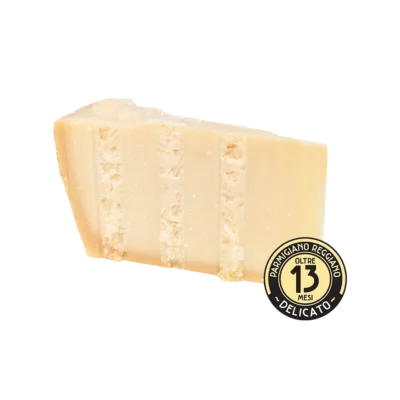
Young Parmigiano (aged 12–20 months) has a light-coloured, elastic, and firm texture combined with a sweet, milky aroma. It’s ideal for those who prefer a delicate taste or are discovering this cheese for the first time. Its gentle flavour also makes it perfect for children.
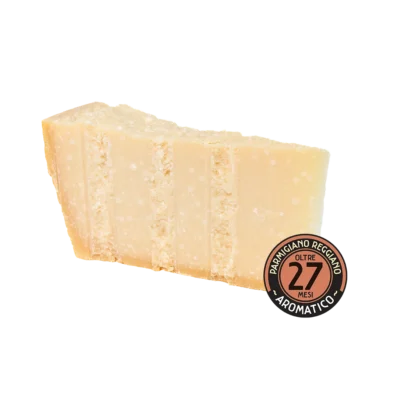
Medium-aged Parmigiano (around 24–30 months) is the most versatile. It has a more granular texture and a flavour that balances sweetness and savouriness. It can be grated or served in shavings and suits a wide variety of dishes — from pasta and risottos to baked second courses.
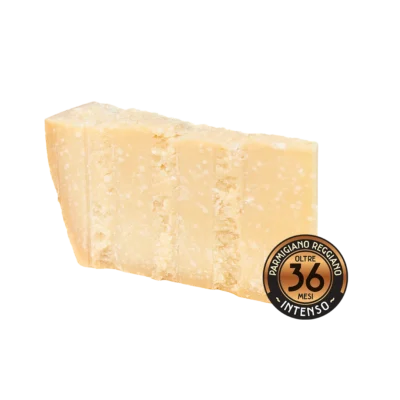
Mature Parmigiano (aged 36–40 months) is drier and crumblier, with aromatic hints of nuts and spices. Appreciated by connoisseurs, it offers a lingering, enveloping aftertaste, ideal for more refined recipes and gourmet pairings.
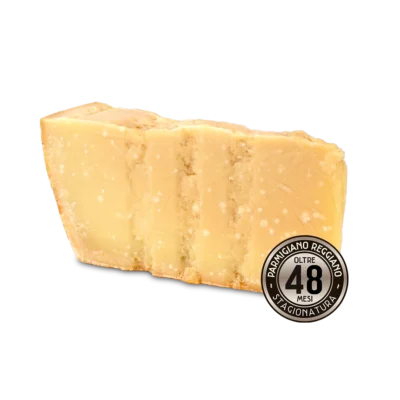
Finally, extra-aged Parmigiano Reggiano (aged over 40 months) is the most precious and rare version. Over time, tyrosine crystals develop, giving it an unmistakable crunch. At Caseificio Milanello, we proudly produce a 48-month version — an extraordinary cheese with a bold, intense flavour.
Choosing the right ageing for each recipe
Parmigiano Reggiano is one of the most versatile ingredients in Italian cuisine as well as one of its most important cheeses. Because it enhances a wide range of dishes, it’s essential to choose the most suitable ageing depending on the recipe’s ingredients. If you want Parmigiano to complement a dish without overpowering it, opt for younger versions. Instead, if you want it to take centre stage, mature and extra-aged varieties will deliver a richer, more decisive flavour.
Below are some useful suggestions for selecting the perfect Parmigiano Reggiano ageing based on the type of course.
Starters with Parmigiano
For starters, the key to success is lightness. We recommend a young cheese, such as our 13-month Parmigiano Reggiano — perfect for delicate creams and mousses served with seasonal vegetables or spread over warm crostini.
If you’re preparing salads or carpaccio, a medium-aged Parmigiano cut into shavings adds just the right touch of savouriness and aroma, enhancing the other ingredients without masking them. The result is a perfectly balanced flavour combination.
Pasta and risottos with Parmigiano
Parmigiano Reggiano is the cheese that best represents Emilia’s culinary tradition. Whether grated or used for finishing, it doesn’t simply accompany a dish — it becomes an integral part of it.
In traditional stuffed pasta such as tortellini, cappelletti or tortelli with herbs, a 24-month Parmigiano Reggiano works beautifully. The same applies to fresh pasta dishes like tagliatelle with ragù or pappardelle with mushrooms: grated Parmigiano binds the sauce and rounds out the flavour. For baked pasta dishes such as lasagne or rosette, a more mature cheese adds depth and holds up well against rich ingredients like meat, béchamel and pasta sheets.
Risottos, on the other hand, require special attention to the creaming process. When more aromatic ingredients come into play, like porcini mushrooms or truffle, 36-month Parmigiano becomes the ideal ally, adding depth without overpowering the seasoning’s notes.
Soups with Parmigiano
In autumn and winter, soups reclaim their place at the heart of the table. Their delicate flavours can be enhanced by adding Parmigiano for balance and richness. Our
Second courses with Parmigiano
In meat or vegetable-based dishes, Parmigiano often plays an essential role. A medium-aged cheese is perfect for aubergine gratins or chicken rolls, providing both flavour and texture. For steak or roasted meat, choose a more mature Parmigiano. Served in shavings, it delivers a distinctive yet balanced contrast that enhances the dish and turns it into a truly gourmet experience.
Desserts with Parmigiano
Although still uncommon, desserts with Parmigiano Reggiano are gaining popularity among innovative chefs. Younger wheels can be used to make savoury cheesecakes, light cheese biscuits, mousses or even ice creams and sorbets for the adventurous. Medium-aged Parmigiano pairs beautifully with honey or fruit compotes,
while mature and extra-aged versions can be served in shavings as an original gourmet dessert with dark chocolate and a drizzle of traditional balsamic vinegar — an elegant meeting of sweet and savoury.
Parmigiano Reggiano uses in the kitchen
When it comes to recipes, the focus shouldn’t only be on the dish itself but also on what accompanies it. Choosing the right pairings for each Parmigiano Reggiano ageing enhances the overall tasting experience.
Wines
A meal can’t be considered complete without a glass of good wine. A younger cheese pairs well with a fresh and sparkling white that can enhance the cheese’s delicacy, like our Spergola. A medium-aged cheese, on the other hand, finds an ideal companion in a soft and fruity red, like Lambrusco Concerto. For older-aged cheeses, you can choose more structured wines like Lambrusco Oro, capable of balancing the aromatic complexity.
Fruit mustards and compotes
Compotes and mustards represent another classic pairing. In particular, pear or fig jam pairs well with medium-aged Parmigiano, while an onion or pumpkin mustard goes better with more aged cheeses, capable of handling more intense contrasts.
Balsamic vinegar
Finally, just a few drops of traditional balsamic vinegar on medium or mature Parmigiano shavings create an extraordinary flavour combination — a simple yet refined touch that elevates any dish into something special.
Knowing and understanding how to pair and use the different ageings of Parmigiano Reggiano allows you to create unique dishes and rediscover the incredible versatility of this iconic Italian cheese every time. Contact us for more information about Caseificio Milanello products!