Pasta with Parmigiano Reggiano is far more than a successful pairing: it is a true declaration of love for Italian cuisine — and especially for the culinary tradition of Emilia.
For centuries, this cheese has been one of the pillars of local gastronomy, perfectly expressing the region’s artisanal passion and heritage. Pasta, meanwhile, lies at the heart of countless traditional recipes: tortellini, tortelloni, tagliatelle, lasagne, and more. When these two ingredients come together, the result is nothing short of exceptional.
In this article, we’ll take you on a journey between tradition and creativity, exploring both timeless classics and new ideas to bring original, elegant, and flavourful first courses to the table. Read on!
Pasta with Parmigiano Reggiano DOP: the ingredient that makes the difference
When it comes to pasta with Parmigiano, cheese quality truly matters. Parmigiano Reggiano DOP stands out for its complex aromatic profile, combining notes of fresh milk, melted butter, dried fruit and broth, as well as its remarkable melting properties — all essential qualities for tasty pasta dishes.
Ageing also plays a crucial role. A Parmigiano aged 18–24 months is ideal for creating creamy sauces, while a 30-month cheese adds character and depth both to simpler and more refined dishes.
Pasta with Parmigiano: great Emilian classics
In Emilian tradition, pasta and Parmigiano Reggiano form an unmistakable pairing. In these dishes, the cheese is not a final garnish but a structural ingredient that shapes the recipe’s identity. These classics may appear simple, yet they rely on a precise balance between pasta, sauce, and Parmigiano Reggiano DOP.
Fresh stuffed pasta with Parmigiano
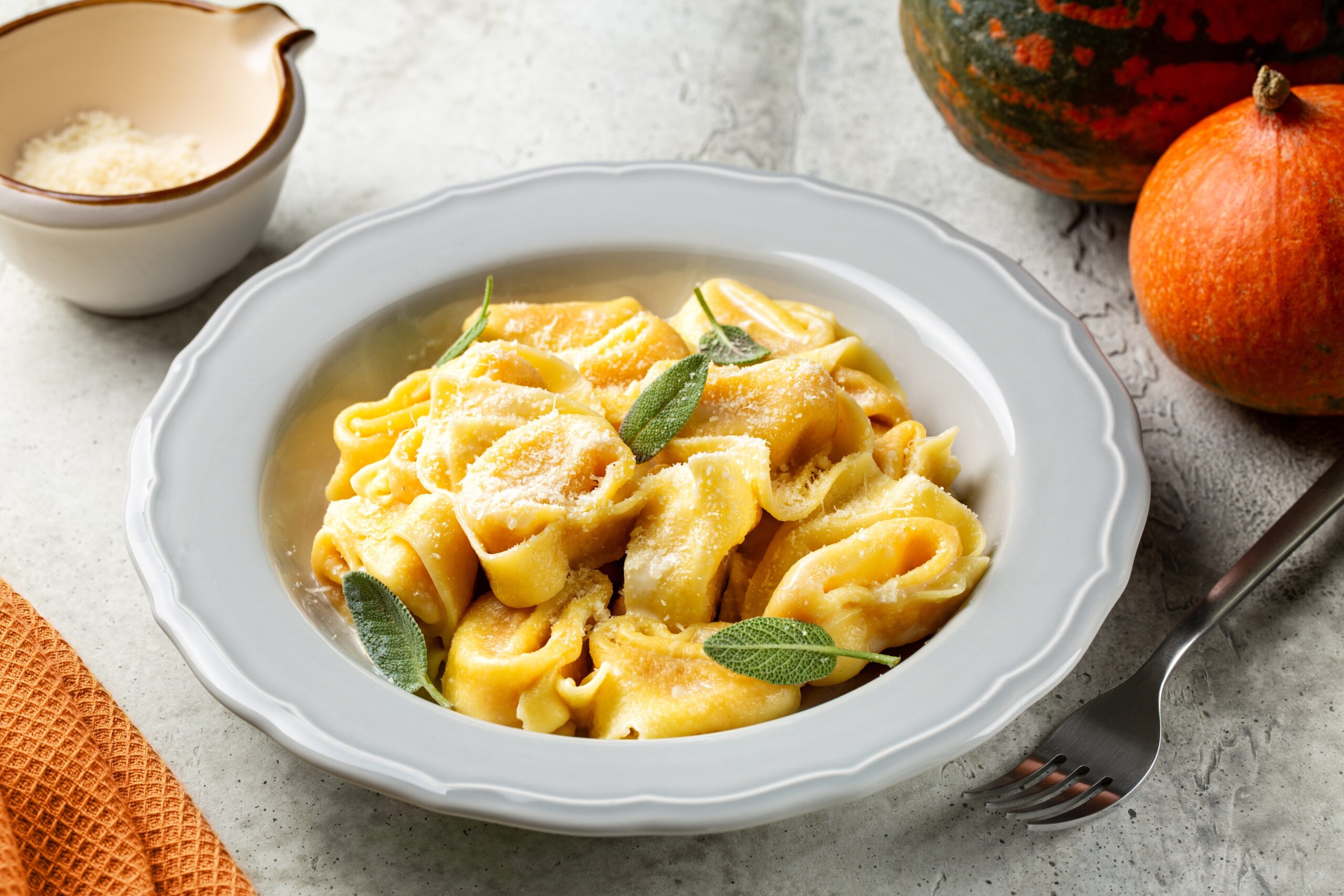
Tortellini, tortelloni, and anolini owe much of their character to Parmigiano Reggiano, which plays a starring role in the fillings. In stuffed pasta, this cheese acts as a harmonious binder between meat, eggs, and aromatic ingredients.
Its savouriness adds structure, balances flavours and enhances them without overpowering. In traditional tortellini, Parmigiano is essential to achieve a deep yet elegant taste that shines even in delicate broth. In tortelloni, often filled with ricotta and herbs, it enhances aromatic notes and balances sweetness. In anolini, it contributes intensity and persistence.
Tagliatelle and lasagne with Parmigiano
Pasta with Parmigiano doesn’t always require a filling. Tagliatelle and lasagne also benefit greatly from this cheese, which softens sauces’ acidity and adds aromatic depth.
In lasagne alla bolognese, Parmigiano Reggiano DOP is indispensable. Layered between pasta sheets, ragù and béchamel, it helps create a compact yet creamy texture and provides a savoury note that makes the dish irresistible.
With tagliatelle, Parmigiano can be added grated or used to finish the pasta directly in the pan. It enhances flavours, binds sauces, and adds richness without weighing the dish down.
Creative interpretations of pasta with Parmigiano Reggiano
The pairing of pasta with Parmigiano Reggiano also lends itself beautifully to creative, contemporary interpretations — and has become a favourite canvas for many modern chefs.
Among the most interesting ideas is pasta finished with Parmigiano, citrus, and spices: the freshness of lemon and the woody, peppery notes of black pepper contrast with the cheese’s savouriness, enhancing its round, full-bodied character.
Equally popular are creamy pasta dishes made without cream, achieved by emulsifying Parmigiano, pasta cooking water, and extra-virgin olive oil. Gourmet combinations also abound, featuring fresh and dried fruit (explored in depth in our article Pairing Parmigiano Reggiano with fresh and dried fruit: ideas for starters, first and second courses) or fresh aromatic herbs. In the next sections, we’ll share a simple, quick, and delicious recipe with you.
Parmigiano Reggiano in cooking: tips from Caseificio Milanello
Preparing perfect pasta with Parmigiano requires care and attention to detail. Using the right amount of cheese, choosing the appropriate ageing, and adding each ingredient at the right moment during cooking are the elements that make the difference between a balanced dish and one that feels heavy or unbalanced.
Just a few simple steps are enough to achieve a really delicious result — let’s take a look at them together.
Enhancing Parmigiano without overpowering
Less is more, even when it comes to pasta with Parmigiano. Using too much cheese risks masking the other ingredients and throwing off the balance of the dish.
For grated Parmigiano added at the end, we recommend:
- around 20–25 g per person for dry pasta or simple sauces;
- around 15 g per person for filled or particularly rich pasta dishes.
The finishing technique is just as important. Our tried-and-tested method: after draining the pasta, return it to the warm pan, add a small amount of cooking water, and gradually stir in the Parmigiano. You’ll obtain a smooth, velvety cream that binds the sauce without the need for excessive fats.
Sauce and pairing ideas
If you’d like to elevate your pasta with Parmigiano using an original sauce, seasonal vegetables are excellent allies. Courgettes, pumpkin, artichokes, radicchio, and mushrooms create interesting contrasts between sweetness, bitterness, and savouriness.
A few practical ideas include:
- roasted pumpkin blended with extra-virgin olive oil, onion, vegetable stock, and grated Parmigiano until silky smooth;
- sautéed courgettes deglazed with white wine, finished with Parmigiano, and chopped fresh mint;
- pan-fried mushrooms with garlic, olive oil and parsley, finished with Parmigiano;
- artichokes braised with onion and vegetable stock, then blended with Parmigiano and olive oil;
- radicchio sautéed with onion and butter, deglazed with red wine, and finished with aged Parmigiano.
Pasta with Parmigiano: the right ageing for each dish
Selecting the right ageing is essential for balanced, flavourful pasta dishes. Each recipe requires a specific flavour profile and texture that only the appropriate ageing can provide.
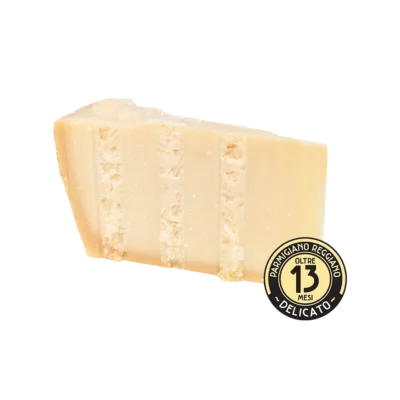
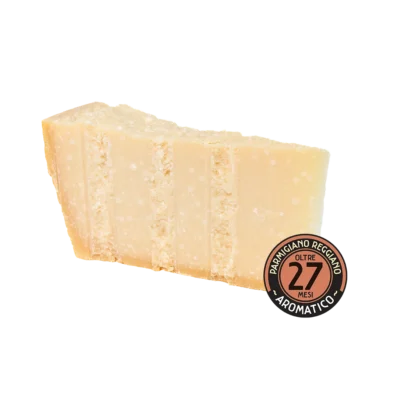
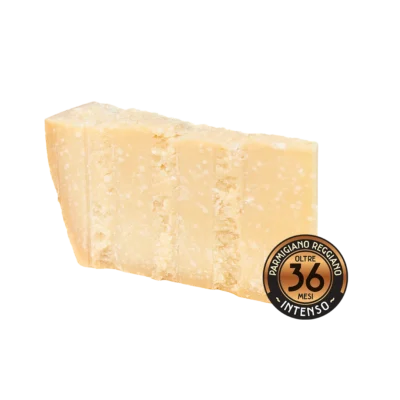
Parmigiano aged 18–24 months is soft, mild and melts easily — perfect for creamy sauces, emulsified pasta, and delicate dishes such as buttered tagliatelle or short pasta with light vegetables.
The 24–30 month version has a firmer texture and more pronounced flavour, making it ideal for stuffed pasta in broth, lasagne or tagliatelle with ragù, adding depth and aromatic finish without overpowering.
Intense and slightly spicy, Parmigiano aged over 30 months, works best in minimalist dishes or when the cheese is meant to take centre stage.
Feeling adventurous? Try combining different ageings: a younger Parmigiano for creaminess during cooking and an older one grated on top for aroma and structure.
A recipe for you: pasta with Parmigiano and fresh herbs
As promised, here’s a delicious, quick, and easy recipe: pasta with Parmigiano and fresh herbs.
Ingredients for 4 people:
- 320 g short pasta (penne rigate or fusilli);
- 80 g grated Parmigiano Reggiano DOP aged 27–28 months;
- 2 tbsp extra-virgin olive oil;
- 1 garlic clove;
- a small bunch of fresh herbs (parsley, basil, chives, thyme);
- salt and black pepper to taste;
- 50 ml pasta cooking water.
Method:
- Cook the pasta in salted boiling water until al dente, drain and reserve 50 ml of cooking water.
- In a large pan, heat the olive oil with the crushed garlic, then remove the garlic.
- Add the pasta and finish with Parmigiano Reggiano and cooking water, stirring until creamy.
- Finely chop the herbs and gently fold them into the pasta.
- Season with salt and pepper and serve immediately with extra Parmigiano on top.
Thanks to its natural savouriness, Parmigiano binds the herbs and pasta into a light, fragrant, and deeply satisfying dish.
Prepare your pasta with Parmigiano Reggiano DOP
Whether you prefer great Emilian classics or modern interpretations, pasta with Parmigiano is a simple yet flavourful dish that embodies Italian cuisine at its most authentic.
Bring tradition to your table: discover our Parmigiano Reggiano DOP and experience the unmistakable quality of Caseificio Agricolo del Milanello.
Pasta with Parmigiano: FAQ
What is the secret to perfect pasta with Parmigiano?
Quality Parmigiano Reggiano DOP and the right finishing technique. Using around 20 g per person and emulsifying with cooking water creates a smooth, flavourful sauce without heaviness.
Which ageing works best with pasta and vegetables?
An 18–24 month Parmigiano is ideal for pasta dishes with vegetables or fresh herbs: soft enough to melt and harmonise with delicate vegetable flavours.
Can Parmigiano Reggiano DOP be used in stuffed pasta?
Absolutely. In tortellini, tortelloni and anolini, Parmigiano is essential for binding the filling, adding flavour and structure.
How can I avoid pasta with Parmigiano becoming too heavy?
The key is using the right quantity of Parmigiano, finishing off the heat with cooking water, and limiting added fats like cream or butter.
Which herbs pair best with pasta and Parmigiano?
Parsley, basil, thyme, chives, and fresh mint are perfect as they enhance Parmigiano’s flavour without overpowering it and contribute to creating fresh and fragrant dishes.
Can pasta with Parmigiano be prepared in advance?
It’s best enjoyed immediately, when Parmigiano Reggiano releases its full aroma and creaminess. If needed, store pasta and sauce separately and re-emulsify before serving.