Pairing Parmigiano Reggiano with fruit, whether fresh or dried, is a creative and surprisingly versatile choice that can turn even the simplest dishes into refined gourmet creations. This cheese’s distinctive aromatic complexity makes it particularly well suited to sweet or crunchy pairings that contrast beautifully with the savoury notes and texture typical of different maturation stages.
In this article, we’ll explore some food pairing secrets and discover how to combine Parmigiano Reggiano with fruit to create delicious starters, first and second courses. Read on!
Why Parmigiano Reggiano and fruit work so well together
The success of pairing Parmigiano Reggiano with fruit follows a precise gastronomic logic. This hard, aged cheese is rich in umami and layered aromas that develop over time. Its complexity makes it ideal for balancing fresher, sweeter or more tangy ingredients such as fruit.
Fresh fruit brings juiciness and lightness, while dried fruit adds crunch and an oily richness that rounds out the palate, harmonising every bite. Many fruits also have natural fragrances that pair perfectly with Parmigiano’s subtle hints of milk and hay.
From a nutritional standpoint, it’s a winning combination too. Parmigiano Reggiano is packed with protein and calcium, while fruit provides fibre, vitamins and essential antioxidants — together, they form a balanced and energising mix.
The unique characteristics of Parmigiano Reggiano
Parmigiano Reggiano is a PDO cheese produced exclusively in certain provinces of Emilia Romagna, such as Reggio Emilia, where our dairy is located. It is made from a mixture of cow’s milk, rennet and salt, and contains no preservatives or additives.
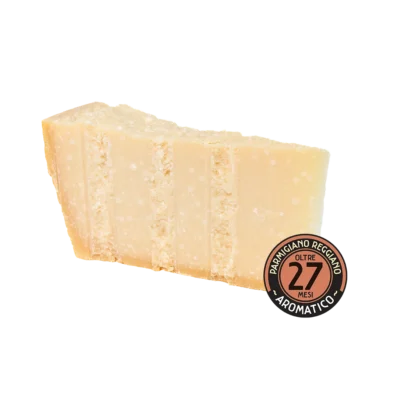
During ageing, which ranges from a minimum of 12 months to over 40, the cheese develops complex and distinctive aromatic profiles. Younger wheels, around 18 months, are soft and elastic with delicate, milky flavours and hints of melted butter. At 24 months, Parmigiano becomes more balanced, rounded and slightly fruity, while after 36 months or more it turns crumbly and intense, with toasted and spicy notes.
These sensory qualities are what make Parmigiano Reggiano and fruit pairings so successful. Knowing the characteristics of each ageing stage is key to achieving harmonious results and avoiding overly strong contrasts that might overpower the flavours.
The science behind sweet–salty balance
The contrast between sweet and savoury isn’t just a matter of taste — it’s a physiological reaction. Sodium, responsible for the sensation of saltiness, temporarily heightens our perception of sweetness. That’s why a pinch of salt often enhances biscuits or desserts. Conversely, sugar softens the perception of salt, creating a pleasant equilibrium. This balance of flavours is highly satisfying for the palate, which instinctively prefers harmony over extremes.
Parmigiano Reggiano with fresh fruit
When it comes to Parmigiano Reggiano and fresh fruit pairings, pears and apples are classic choices. Their sweetness and crispness complement the cheese’s more savoury and slightly spicy notes. Grapes are another staple pairing: their juicy acidity cleanses the palate and prepares it for the next bite.
Other recommended fruits include:
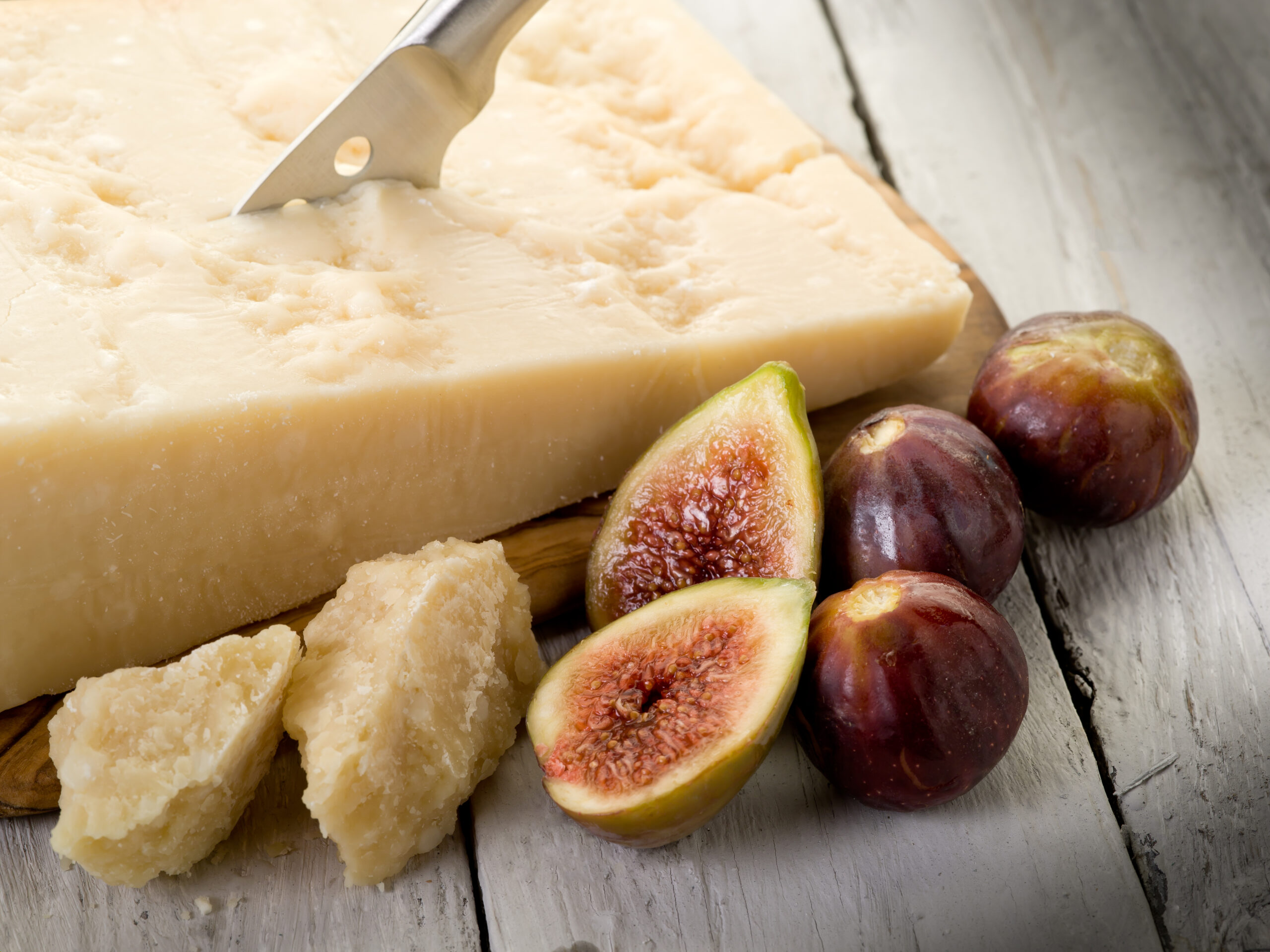
- fresh figs, perfect with cheeses aged over 30 months;
- strawberries, which enhance the cheese’s flavour without overwhelming it;
- seasonal peaches and apricots;
- pomegranate seeds, ideal for adding colour and freshness to the plate.
Tip: to preserve its natural aromas, fresh fruit should always be washed thoroughly, sliced just before serving and enjoyed at room temperature.
Parmigiano Reggiano with dried fruit
Pairing Parmigiano Reggiano and dried fruit results in dishes that are both fragrant and full of character. Walnuts are the best-known match — their slight bitterness and oily texture contrast beautifully with the savoury depth of aged Parmigiano.
- toasted almonds, which add sweetness;
- hazelnuts, ideal for medium-aged cheeses;
- pistachios, which bring colour and a lightly resinous note;
- chopped raisins or dried dates for those who enjoy bolder combinations.
Tip: lightly toasting the dried fruit in a pan helps release the essential oils, making it even more aromatic.
Parmigiano Reggiano and fruit in starters and finger food
Starters and finger food are perfect for experimenting with Parmigiano Reggiano and fruit pairings, as they allow you to play with textures, colours and bite-sized presentations.
A simple yet elegant option is skewers alternating Parmigiano shavings with grapes or apple chunks — fresh, light and full of flavour. Small canapés with Parmigiano mousse and chopped pistachios, walnuts or almonds are equally delicious, especially when topped with a drizzle of honey or a few fresh herbs.
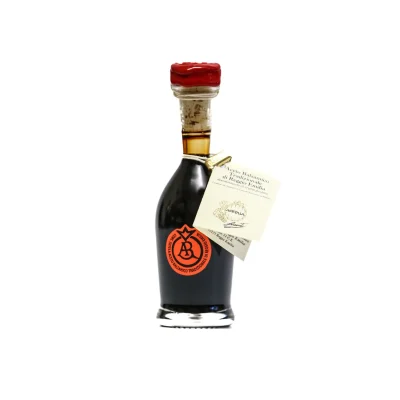
For a gourmet touch, try serving small glasses of Parmigiano Reggiano cream topped with strawberry coulis and crushed walnuts — a delightful mix of sweet, savoury and crunchy. During the summer months, mini salads served in tasting spoons with rocket, Parmigiano shavings, peach slices and toasted hazelnuts are a refreshing choice. Or, for a more indulgent idea, try mini bruschette with Parmigiano, fresh figs and a drop of balsamic vinegar — simply irresistible.
Parmigiano Reggiano and fruit in first courses
Combining Parmigiano Reggiano and fruit in first courses is an original way to create refined and surprising recipes.
A warm salad of spelt and barley with Parmigiano shavings, diced pears and toasted walnuts makes for a wholesome yet light dish suitable all year round. Risottos are also excellent for experimenting with these pairings: stirring in Parmigiano and topping with slivered almonds or pistachios creates a delicious and elegant dish. For more daring flavour enthusiasts, fresh pasta with Parmigiano and figs offers a surprising combination — just remember to add the figs at the end of cooking to preserve their texture and aroma.
Filled pasta, such as ravioli with Parmigiano, fruit (pears or apples) and mascarpone, is another delicious option. And don’t overlook vegetable veloutés: a few Parmigiano shavings and a sprinkle of chopped hazelnuts will make them wonderfully aromatic and refined.
Parmigiano Reggiano and fruit in second courses
In second courses, Parmigiano Reggiano and fruit pairings can deliver sophisticated, eye-catching results.
White meats pair beautifully with cheese sauces and caramelised fruit. Simply prepare sauté diced apples or pears with butter and a touch of sugar, then spoon them over meat topped with Parmigiano cream. Pork fillets can be crusted with Parmigiano and chopped pistachios, while veal roasts are exquisite with balsamic glaze, Parmigiano shavings and pomegranate seeds.
Vegetarian dishes work wonderfully too: omelettes or frittatas with Parmigiano and diced apple or pear strike the perfect balance between sweetness and savouriness.
Choose the perfect Parmigiano for your recipes
If you’re looking for Parmigiano Reggiano DOP to pair with your favourite fruits — whether for a family dinner or a gourmet tasting — choose Caseificio Agricolo del Milanello. Since 1937, we’ve been producing Parmigiano Reggiano with traditional craftsmanship, using only natural ingredients and enhancing sustainability.
Visit our shop to explore our range of cheeses — aged over 12, 24, 36 or 48 months — and find the perfect one for your recipes!